
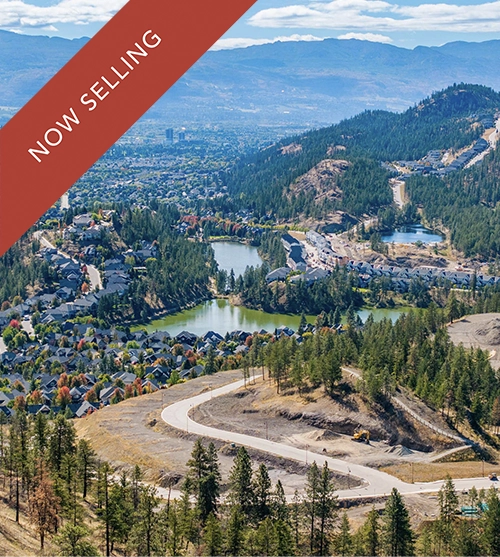
 Hidden Hills Lots
 Pondside Townhomes
 Antler Heights Duplexes
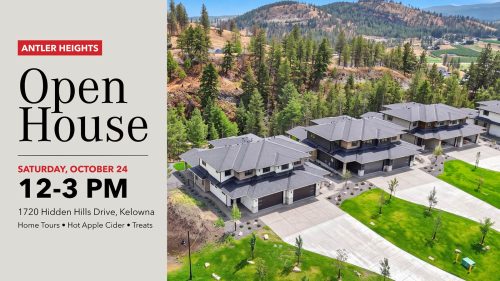 Antler Heights Open House | Oct. 24
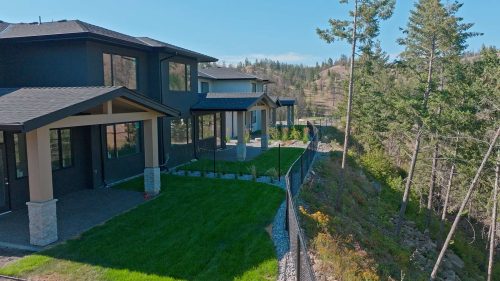 Antler Heights Update: Landscaping Has Started
The 5 Biggest Concerns People Have About Strata Living
Strata living gets a bad rep, usually for two reasons: monthly fees and rules. And honestly, that’s fair. Strata isn’t for everyone.
But a lot of people rule it out based on assumptions that don’t hold up once you compare strata living to the true cost (and workload) of owning a freehold home.
Below, we’ll walk through the five most common concerns people have about strata living, so you can decide if it fits your lifestyle.
First: What is strata living?
In simple terms, strata living means:
- You own your home (your unit).
- You share responsibility for common property: Things like landscaping, roads/sidewalks, building exterior elements, and shared systems (exactly what’s included depends on the community).
A strata corporation, typically supported by a professional property manager, coordinates maintenance, budgeting, long-term planning, and community rules.

1) “Strata fees are just another expense.”
This is the most common objection, and the one that usually comes down to a mindset shift.
With a freehold home, you still pay for ongoing upkeep. It just shows up differently: seasonal bills, contractor invoices, equipment purchases, and the occasional “unexpected” expense you didn’t plan for.
Strata fees bundle many of those costs into a predictable monthly contribution. In many communities, that includes things like landscaping and irrigation maintenance, snow removal, common area upkeep, insurance for shared assets, property management, and contributions to long-term reserve funding (what’s included varies).
Key takeaway: Strata fees often aren’t “extra.” Think of them as a more predictable way of paying for real homeownership costs you’d likely have either way.
2) “I don’t want rules. I want to do what I want with my home.”
This concern is valid. Strata living involves bylaws and rules, because shared living and shared assets require shared standards.
Most strata rules exist to protect the community and prevent common friction points: noise issues, parking conflicts, exterior changes that affect the overall look, and situations where one owner’s choices negatively impact others.
The best way to approach this is not “rules are good” or “rules are bad,” but: what rules are in place, and do they match how you want to live? Some people appreciate the consistency and clarity. Others find it restrictive.
Key takeaway: If you want maximum autonomy, freehold may feel better; if you value consistency and shared standards, strata can feel reassuring.

3) “I’m worried about surprise special levies.”
Special levies can be a concern, and it’s smart to think about them.
But they’re usually not random. They tend to happen when long-term maintenance hasn’t been planned or funded properly, or when a major repair comes up that wasn’t adequately covered by reserve funds.
The good news is: buyers can often get a sense of risk before purchasing by reviewing key strata documents such as the budget, reserve fund balance and planning approach, meeting minutes, and (when available) depreciation reports.
Key takeaway: Special levies aren’t inevitable, but you should review the strata’s planning and financial health before buying.
4) “I don’t want shared decision-making or council politics.”
Strata living comes with shared governance because shared property needs shared decisions. That can feel like a downside if you prefer independence and fast choices.
In well-run stratas, property management handles most of the coordination, and council decisions tend to focus on practical things: maintenance planning, vendor contracts, budgeting, and community upkeep.
Key takeaway: You’re trading full control for organized, shared responsibility. Some owners love that convenience, others find it frustrating.

5) “I’m not sure what strata fees even cover. How do I know it’s worth it?”
This is the right question.
Fees vary from community to community, so it’s worth looking at the budget breakdown rather than judging the fee number alone. A fee that includes exterior upkeep and long-term reserve contributions isn’t the same as a fee that covers only basic landscaping and management.
In many strata communities, fees may include a combination of:
- Landscaping and irrigation maintenance
- Building insurance
- Property management/administration
- Common area upkeep
- Snow removal and seasonal cleanups
- Contributions to long-term reserve funding
…and sometimes common area utilities or other shared services.
The simplest way to evaluate “worth it” is to ask: What am I getting, what would it cost me otherwise, and how much time/effort does it save me?
Key takeaway: Don’t judge strata fees as a line item, judge them by what they include and what they replace.
A quick reality check: freehold ownership still has “fees,” they’re just hidden
Even with freehold, you’re paying for maintenance and long-term replacement in one way or another, either through time, savings, or surprise expenses.
Strata living doesn’t eliminate costs. It changes how they’re managed: shared, planned, and typically more predictable.
Who strata living tends to be great for (and who it’s not)
Strata can be a great fit if you:
- Want predictable monthly costs and fewer surprise expenses
- Prefer not to spend weekends on yard/exterior upkeep
- Like the idea of a consistently maintained community
- Want a “lock-and-leave” lifestyle for travel or busy schedules
- Appreciate having a structured approach to long-term maintenance planning
Strata may not be the best fit if you:
- Want maximum autonomy and minimal restrictions
- Enjoy DIY projects and prefer full control over exterior maintenance
- Strongly dislike shared governance and group decision-making
- Would rather self-manage long-term upkeep costs independently

If strata might fit your lifestyle, here are two current options in Wilden
If you’ve read through the concerns above and thought, “Honestly, the convenience sounds nice,” the next step is simply seeing what strata living looks like in real life.
Here are two current strata communities in Wilden worth exploring:

Pondside Landing Townhomes
A townhome community set above Still Pond Park with easy access to trails and everyday amenities. Pondside Landing offers a strong “lock-and-leave” lifestyle in a nature-forward setting.

Antler Heights Duplexes
A small community of 30 semi-detached homes designed for low-maintenance living, with a focus on comfort, and connection to nature.
If you’re curious, our team can walk you through what’s included in strata fees for each community. Call, email us or visit our Presentation Centre at 1881 Hidden Hills Drive, open daily from 12-5pm.
